History of Charleston, SC

Founded in 1670, Charleston is one of America's oldest and most historically significant cities — a living museum of colonial, Revolutionary, and Civil War history.

Historic Charleston architecture

Colonial Founding

Charleston — originally called Charles Town in honor of King Charles II — was founded in 1670 by English settlers from Barbados. It quickly became one of the most prosperous cities in colonial America, fueled by the trade of rice, indigo, and enslaved people.

By the mid-1700s, Charles Town was the fourth-largest city in the colonies and a major cultural and commercial hub. The city's wealth was reflected in its grand antebellum architecture, much of which still stands today in the historic district.

  • Founded 1670 — one of America's oldest cities
  • Major port city for colonial trade
  • Rich Gullah Geechee cultural heritage
  • Stunning antebellum architecture throughout
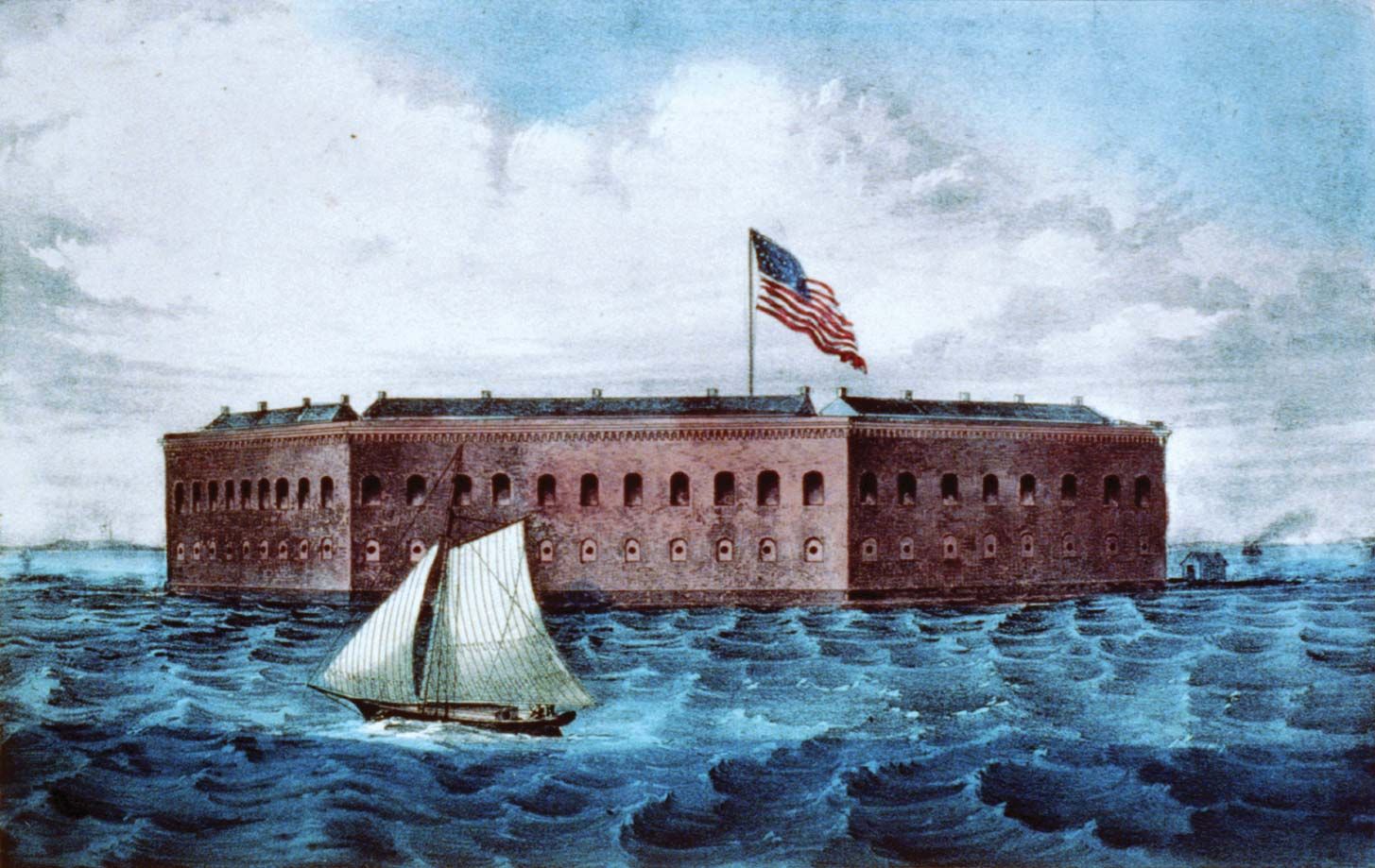
Fort Sumter historic painting

Revolution & Civil War

Charleston played a pivotal role in both the American Revolution and the Civil War. The Battle of Sullivan's Island in 1776 was a crucial early American victory that helped secure South Carolina for the Patriots.

On April 12, 1861, Confederate forces fired on Fort Sumter in Charleston Harbor, marking the beginning of the Civil War. The fort, now a National Monument, remains one of the most visited historic sites in the South and a powerful symbol of America's most defining conflict.

  • Battle of Sullivan's Island (1776) — key Revolutionary victory
  • Fort Sumter — where the Civil War began (1861)
  • The Battery — historic defensive seawall
  • Confederate Museum and numerous Civil War sites
Book a History Tour
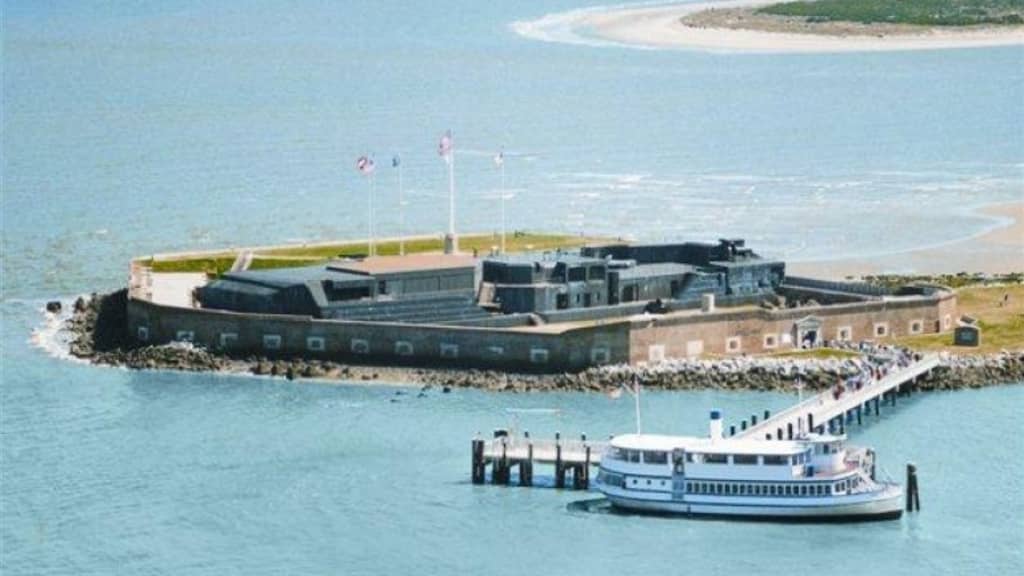
Fort Sumter National Monument

Fort Sumter

Fort Sumter National Monument is one of the most significant historical sites in the United States. Located on a man-made island in Charleston Harbor, the fort can only be reached by ferry — making the journey itself part of the experience.

Visitors can explore the fort's preserved walls, view original cannons and artifacts, and learn about the events of April 12–14, 1861, when Confederate forces bombarded the Union garrison for 34 hours, forcing its surrender and igniting the Civil War.

  • Accessible only by ferry from Liberty Square
  • National Park Service ranger-led programs
  • Original Civil War cannons and artifacts
  • Stunning views of Charleston Harbor
  • Fort Sumter Visitor Education Center downtown
Book Fort Sumter Ferry

Historic Landmarks

Charleston's historic district is a treasure trove of architectural and cultural landmarks.

Rainbow Row
Architecture

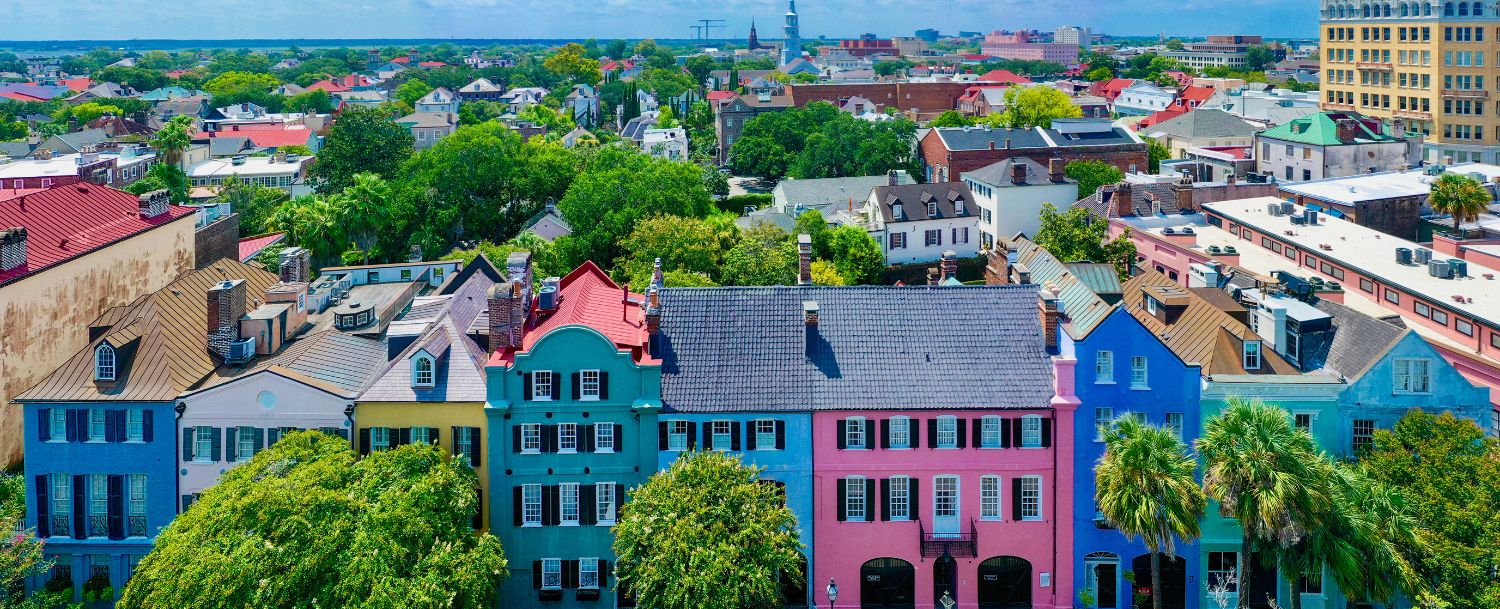
Rainbow Row

Thirteen colorful Georgian row houses on East Bay Street, dating to the 1740s. The most photographed street in Charleston.

The Battery
Landmark

The Battery

A defensive seawall and promenade at the southern tip of the Charleston peninsula, lined with antebellum mansions and Civil War cannons.

French Quarter
District

French Quarter

Charleston's oldest neighborhood, home to the Dock Street Theatre (America's first theater), St. Philip's Church, and the Huguenot Church.

Key Dates in Charleston History

A brief chronology of the events that shaped the Holy City.

1670
City Founded — English settlers establish Charles Town at Albemarle Point, later moving to the current peninsula location.
1776
Battle of Sullivan's Island — Colonial forces repel a British naval attack, a turning point in the Revolutionary War.
1822
Denmark Vesey Conspiracy — A planned slave revolt led by free Black carpenter Denmark Vesey shakes the city.
1861
Civil War Begins — Confederate forces fire on Fort Sumter on April 12, starting the Civil War.
1886
Great Earthquake — A magnitude 7.0 earthquake devastates the city, killing 100 people and damaging thousands of buildings.
1977
Spoleto Festival Founded — Composer Gian Carlo Menotti establishes the Spoleto Festival USA, putting Charleston on the world cultural map.
Today
America's Top City — Charleston consistently ranks as one of the best cities in the U.S. by Travel + Leisure, Condé Nast Traveler, and others.